
Evidence-Based Ways to Calm Your Nervous System Without Medication
Byline:
Reviewed by Dr. Rachel Simmons, MD
Board-Certified Family Medicine Physician
15+ years clinical experience in stress-related disorders and preventive health
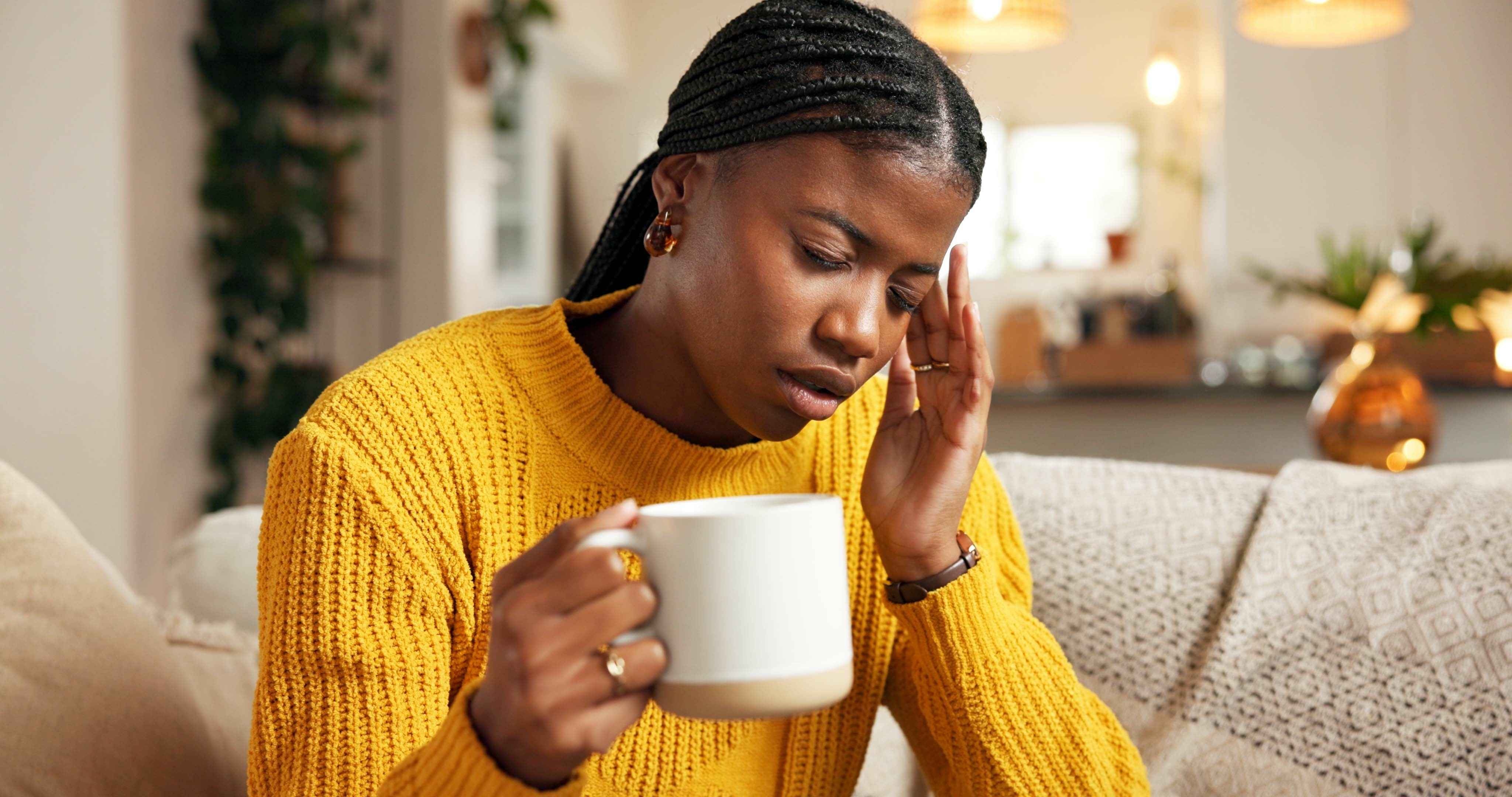
Anxiety is no longer a fringe mental health issue. It is one of the most reported health concerns in the United States, affecting more than 40 million adults each year. For many people, anxiety doesn’t look like panic attacks or dramatic symptoms. It shows up as constant tension, racing thoughts, poor sleep, digestive discomfort, irritability, and a persistent sense of being “on edge.”
While medication can be helpful for some individuals, a growing body of research shows that natural, lifestyle-based interventions can significantly reduce anxiety symptoms, particularly when practiced consistently. These strategies work by regulating the nervous system, stabilizing stress hormones, and improving brain-body communication.
This guide explores seven science-backed, natural ways to reduce anxiety, focusing on methods that are accessible, sustainable, and supported by clinical research.
One of the fastest ways to reduce anxiety is also one of the simplest: breathing.
Anxiety is closely tied to overactivation of the sympathetic nervous system, commonly known as the “fight-or-flight” response. Slow, controlled breathing stimulates the vagus nerve, activating the parasympathetic “rest-and-digest” system.
Research published in Frontiers in Psychology shows that slow breathing techniques can lower cortisol levels, reduce heart rate, and improve emotional regulation.
How to practice:
Inhale slowly through your nose for four seconds, pause briefly, then exhale through your mouth for six seconds. Repeat for five to ten minutes.
Helpful tools:
Exercise is one of the most effective non-pharmacological treatments for anxiety, but intensity matters. High-intensity workouts can sometimes increase anxiety in already stressed individuals.
Low-to-moderate movement improves circulation, increases endorphins, and reduces muscle tension without overstimulating the nervous system.
Studies in JAMA Psychiatry show that regular physical activity is associated with lower anxiety risk and improved mood regulation.
Best anxiety-reducing movements:
Suggested gear:
Blood sugar fluctuations are an often-overlooked contributor to anxiety. Rapid drops in glucose can trigger symptoms that mimic anxiety, including shakiness, racing heart, irritability, and dizziness.
Balanced meals help maintain stable neurotransmitter production and reduce cortisol spikes.
Anxiety-supportive nutrition principles:
Research in Nutrients highlights the connection between blood sugar regulation and mental health stability.
Helpful products:
Poor sleep increases amygdala reactivity—the brain’s fear center—making anxiety harder to control. Even one night of inadequate sleep can heighten emotional sensitivity and stress perception.
The goal is not just more sleep, but deeper, more consistent sleep.
Evidence-based sleep supports:
A review in Sleep Medicine Reviews confirms that sleep quality improvements are associated with reduced anxiety symptoms.
Suggested sleep aids:
The gut-brain axis plays a crucial role in anxiety regulation. Approximately 90% of serotonin is produced in the gut, and gut inflammation can influence mood and stress response.
A diet rich in fiber, fermented foods, and diverse plant compounds supports microbial diversity and neurotransmitter balance.
Research in Nature Reviews Gastroenterology & Hepatology links gut microbiome health to reduced anxiety and depression.
Gut-friendly foods:
Helpful additions:
Mindfulness is not about eliminating thoughts; it’s about changing your relationship with them. Mindfulness practices reduce activity in brain regions associated with rumination and worry.
Multiple studies in Clinical Psychology Review show that mindfulness-based interventions significantly reduce anxiety severity.
Simple mindfulness practices:
Tools to support mindfulness:
The brain interprets unpredictability as threat. Creating consistent daily routines helps signal safety to the nervous system.
This doesn’t mean rigid schedules, but predictable anchors such as regular meals, movement, bedtime rituals, and morning routines.
Research in Behavior Therapy suggests routine-based interventions improve anxiety outcomes by reducing decision fatigue and stress load.
Helpful planning tools:
Natural strategies are powerful, but they are not a substitute for medical care when anxiety becomes overwhelming or disabling. If anxiety interferes with daily functioning, sleep, work, or relationships, consult a licensed healthcare provider.
Combining lifestyle strategies with professional support often yields the best outcomes.
Medically reviewed by:
Dr. Rachel Simmons, MD
Board-Certified Family Medicine Physician
Clinical focus on stress-related disorders, lifestyle medicine, and preventive care
Sources:
This article is for educational purposes and does not replace individualized medical advice.