
By Dr. Laura Bennett, MD
Board-Certified Family Medicine Physician
15+ years in preventive medicine, lifestyle health, and immune resilience research
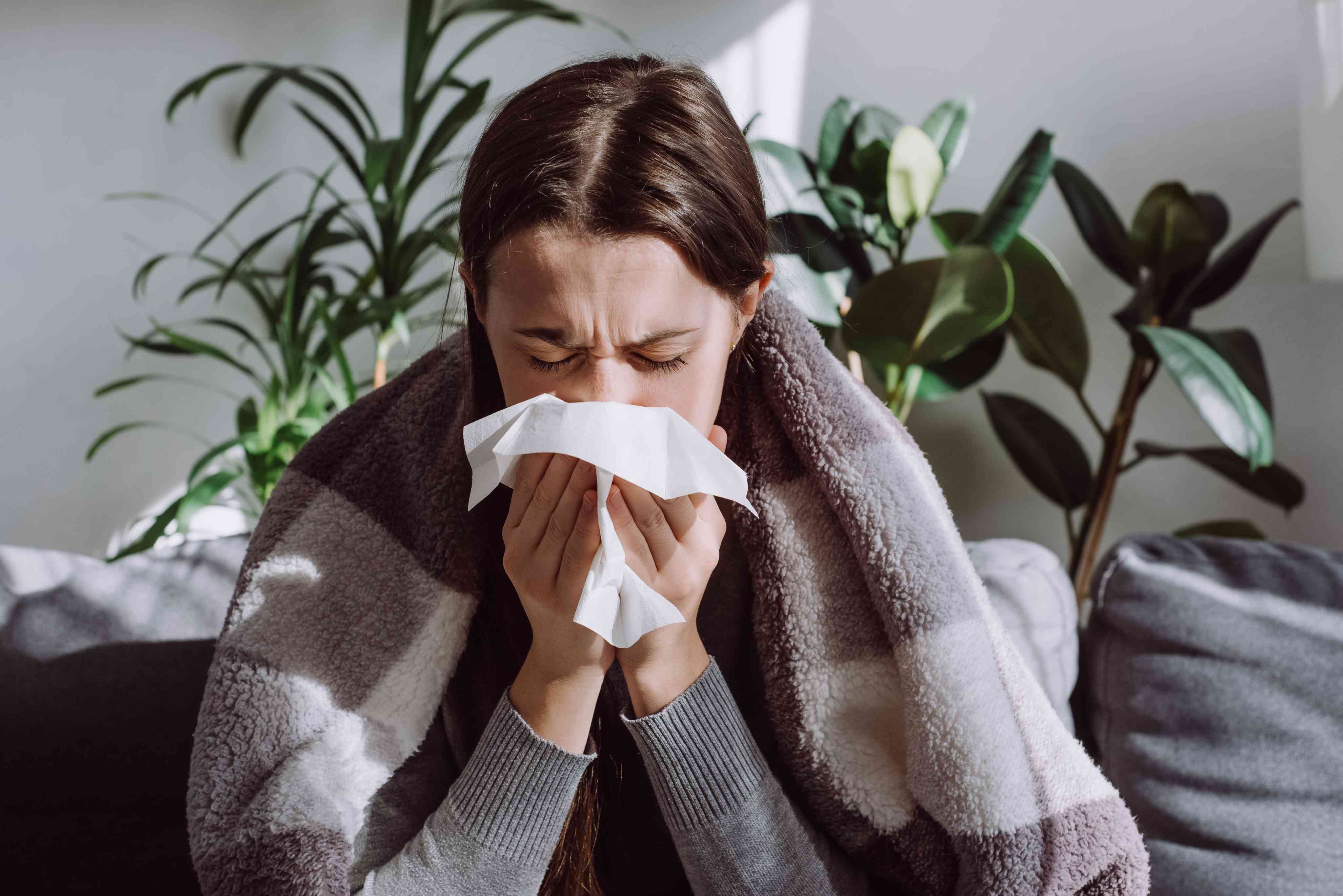
As the air turns crisp and daylight fades earlier each evening, something else quietly shifts with the seasons: our immune system faces a heavier workload. Fall marks the beginning of cold and flu season, increased indoor time, reduced sun exposure, disrupted sleep patterns, and higher stress levels as routines intensify. It’s no coincidence that immune-related illnesses surge between October and March.
Yet despite the annual spike in sniffles, sore throats, and fatigue, most immune advice remains frustratingly vague: “eat healthy,” “sleep more,” “take vitamin C.”
But immune health is not built overnight, and it’s not protected by a single supplement. It’s the result of daily, compounding habits—many of which are uniquely influenced by seasonal change.
This article lays out a realistic, science-backed fall wellness plan to support your immune system naturally—without detox myths, extreme protocols, or miracle claims. Instead, we’ll focus on what actually works: nutrition, movement, sleep, stress regulation, gut health, and strategic supplementation when appropriate.
The immune system isn’t static. It responds to environmental cues—light exposure, temperature, stress, nutrition, and circadian rhythm. Fall introduces several immune stressors at once:
The goal of a fall wellness plan is not to “boost” immunity in an exaggerated sense, but to optimize immune readiness—helping your body respond efficiently rather than overreacting or underperforming.
Your immune system relies on a steady supply of micronutrients to function properly. Fall is an ideal time to emphasize seasonal foods that naturally support immune balance.
Key immune-supportive nutrients include:
Fall-friendly foods to prioritize include:
Rather than focusing on “superfoods,” aim for diversity. Research consistently shows that dietary variety strengthens immune adaptability.
Approximately 70% of the immune system resides in the gut, making digestive health a cornerstone of fall immunity.
A balanced gut microbiome helps regulate immune responses, prevent excessive inflammation, and protect against pathogens.
Rather than expensive microbiome testing or extreme cleanses, focus on simple, evidence-based strategies:
Fermented foods like yogurt, kefir, sauerkraut, kimchi, and miso provide beneficial bacteria and immune-supportive compounds.
Sleep is not passive recovery—it’s active immune regulation.
During deep sleep, your body produces cytokines that help fight infection. Chronic sleep deprivation reduces antibody production and weakens immune memory, making vaccines and immune responses less effective.
Fall disrupts sleep more than most people realize due to:
Moderate, consistent movement strengthens immune surveillance. Excessive training, however, can suppress immune function—especially during seasonal transitions.
The goal in fall is regular, moderate movement, not extremes.
Best immune-supportive activities include:
Even short daily walks improve lymphatic circulation, which plays a crucial role in immune defense.
Chronic stress increases cortisol, which directly suppresses immune cell activity. Fall stress—from workload increases to holiday planning—often goes unnoticed until immunity suffers.
Effective stress reduction does not require long meditation retreats. Simple, daily practices are enough to make a measurable difference.
Practical stress-lowering habits include:
Supplements can support immunity when used thoughtfully—but they are not a replacement for lifestyle fundamentals.
Evidence-supported options for fall include:
Always consult a healthcare professional before starting supplements, particularly if you have underlying conditions.
The strongest immune systems are not built on perfection—they’re built on consistency.
A daily walk, a vegetable-rich meal, an earlier bedtime, and stress awareness will do more for your immune health than any short-term cleanse or extreme protocol.
Fall is not a season to restrict or punish the body. It’s a season to support it.
Medically Reviewed By:
Dr. Laura Bennett, MD
Board-Certified Family Medicine Physician
Preventive Medicine & Lifestyle Health Specialist
Sources: