5 Natural Ways to Increase Melatonin for Deep Sleep
By Article Was Generated By AI
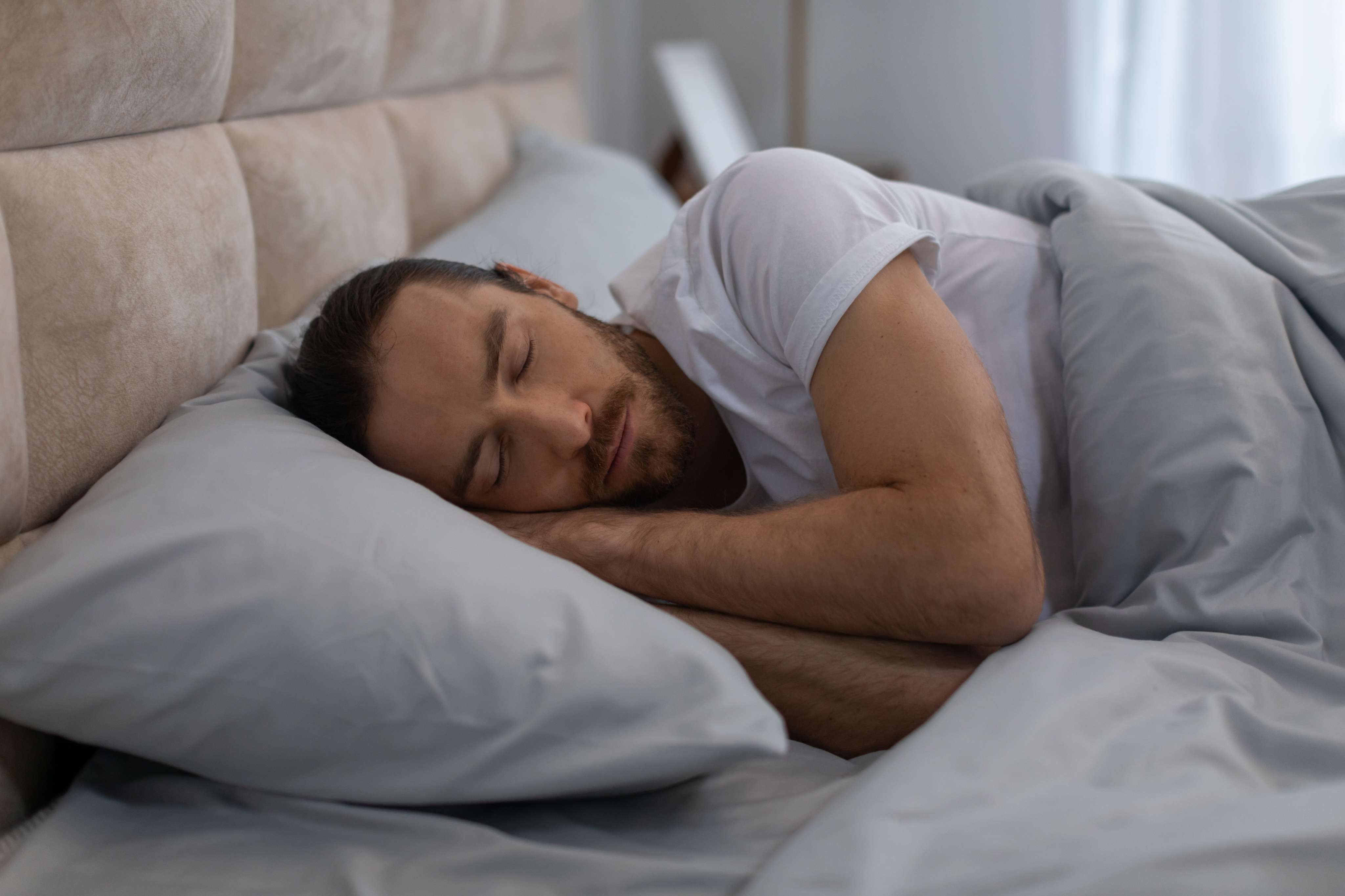
The Hormone of Darkness: Understanding Melatonin
Melatonin is often called the "sleep hormone," but this is a slight misnomer. More accurately, it is the "hormone of darkness" that signals to your body that it is nighttime and time to sleep. Melatonin is produced primarily by the pineal gland
deep within the brain. Its secretion is governed almost entirely by light exposure, functioning as the body's timekeeper, orchestrating the circadian rhythm.
Normally, melatonin levels begin to rise dramatically about two hours before your habitual bedtime, peak during the middle of the night, and gradually drop as morning approaches. This rhythmic release tells your body’s systems—from temperature regulation to cognitive processes—to wind down. When this production is disrupted, often by modern lifestyles and artificial lighting, the signal to sleep is weakened, leading to difficulty falling asleep, staying asleep, and poor overall sleep quality.
The goal of naturally increasing melatonin is not to flood the system with exogenous hormones, but rather to optimize the body's internal environment to ensure the pineal gland is producing and releasing its own melatonin efficiently and at the correct time.
1. Execute a Strict Digital and Environmental Darkness Protocol
The single most powerful suppressor of natural melatonin production is light, particularly the blue spectrum emitted by screens (smartphones, tablets, computers, and TVs) and energy-efficient LED bulbs. When light hits the retina, it sends a signal to the suprachiasmatic nucleus (SCN) in the brain, which immediately instructs the pineal gland to stop producing melatonin.
The Digital Sunset Strategy
- To optimize natural melatonin release, you must aggressively control your light exposure in the hours leading up to bedtime.
- The 90-Minute Rule: Stop all blue-light-emitting screens at least 90 minutes before your target sleep time. This allows the pineal gland enough time to start its natural production cascade.
- Wavelength Shift: If you must use screens, activate "Night Shift" or "Night Light" settings to shift the color spectrum toward warmer, redder tones. Even better, wear dedicated blue-light-blocking glasses.
- Shopping Link: Invest in a pair of high-quality amber- or red-lensed blue-light-blocking glasses for use after sunset. Look for glasses that block $99\%$ of blue light (wavelengths $450$–$495 \text{ nm}$).
- The Bedroom Cave: Ensure your bedroom is completely dark. Even tiny pinpricks of light from alarm clocks, charging lights, or streetlights can disrupt melatonin cycles. Use blackout curtains or an eye mask.
Fact: Studies in The Journal of Clinical Endocrinology & Metabolism confirm that exposure to room light during the typical hours of darkness significantly suppresses melatonin and shortens its duration of secretion by about $90$ minutes.
2. Optimize Tryptophan Conversion with Key Cofactors
Melatonin is synthesized from the amino acid tryptophan, which is converted into serotonin, and then into melatonin. This complex conversion process requires several essential nutritional cofactors to be present in sufficient amounts. If the body is deficient in these key vitamins and minerals, the conversion pathway is sluggish, resulting in low melatonin output, even if tryptophan intake is adequate.
The Melatonin Manufacturing Team:
- Magnesium: This mineral is crucial for relaxing the nervous system (by calming the GABA receptors) and is a vital cofactor in the serotonin-to-melatonin conversion. Magnesium deficiency is widespread and strongly linked to poor sleep.
- Shopping Link: Look for highly bioavailable forms like Magnesium Glycinate or Magnesium Threonate, which are known for their calming effects and superior absorption.
- Vitamin B6: B6 is essential for converting tryptophan into serotonin. Without enough B6, this precursor step is impaired, bottlenecking the entire process.
- Zinc: Zinc plays a role in regulating the quality and maintenance of sleep and works with magnesium to support the body’s enzymatic processes, including those involved in hormone regulation.
- Vitamin D: Research in the Journal of Pineal Research suggests that Vitamin D status is linked to pineal gland function and melatonin production, potentially through a regulatory role. Optimal Vitamin D levels are crucial for overall hormonal health.
- Suggestion: Instead of focusing only on one supplement, ensure a nutrient-dense diet rich in greens (magnesium), poultry (B6), and nuts/seeds (zinc). Supplementation can then be targeted to fill known gaps.
3. Eat Melatonin-Rich and Melatonin-Supportive Foods
While diet alone cannot fix severe sleep disorders, strategic food choices can significantly support natural melatonin production by providing the necessary precursors and the hormone itself.
Melatonin-Rich Foods:
- Tart Cherries: Tart cherry juice is perhaps the most famous natural source of melatonin. Studies have shown that consuming tart cherry juice can increase circulating melatonin levels and improve sleep quality and duration in people with insomnia.
- Shopping Link: Look for unsweetened, concentrated Tart Cherry Juice and consume a small serving morning and evening, or a scoop of tart cherry powder before bed.
- Nuts and Seeds: Walnuts, almonds, and sunflower seeds contain natural melatonin, as well as magnesium and tryptophan.
- Fatty Fish: Salmon and other fatty fish are rich in Omega-3 fatty acids and Vitamin D, both of which support overall sleep and brain health, aiding the regulatory systems.
Tryptophan-Rich Foods (The Precursors):
- Poultry: Turkey and chicken are excellent sources of tryptophan.
- Eggs, Dairy, and Legumes: These are also strong sources that supply the raw material needed for the serotonin-melatonin pathway.
- Strategy: Consume a small, tryptophan-rich, and easily digestible snack about an hour before bed (e.g., a handful of almonds or a small glass of tart cherry juice) to ensure the building blocks are readily available. Avoid large, heavy meals close to bedtime, which disrupt the drop in core body temperature necessary for sleep onset
4. Time Your Meals and Movement with Your Circadian Rhythm
The circadian rhythm, the 24-hour cycle that regulates sleep-wake, is not just controlled by light; it’s also influenced by when you eat and when you exercise. These external cues are called zeitgebers (time-givers). Improper timing of food and movement can send confusing signals to your body, disrupting the natural rise of evening melatonin.
Intermittent Fasting and Meal Timing:
- Stop Eating Early: Late-night eating can delay the onset of melatonin. The process of digestion increases core body temperature, which counteracts the natural temperature drop necessary for sleep. Aim to finish your last substantial meal 2–3 hours before you plan to be asleep.
- Minimize Evening Snacks: If you must snack, keep it small, easily digestible, and focused on the melatonin-supportive foods listed above.
The Timing of Movement:
- Avoid Intense Evening Workouts: Intense exercise, such as high-intensity interval training (HIIT) or heavy weightlifting, releases stimulating hormones like adrenaline and cortisol, and significantly raises core body temperature. While exercise is excellent for sleep overall, performing it too close to bedtime can suppress melatonin and delay sleep onset.
- Suggestion: Reserve intense workouts for the morning or early afternoon. Shift evening exercise to gentle, calming activities like restorative yoga, Tai Chi, or a slow walk, which can help relax muscles and promote the PNS (rest and digest) state.
By aligning your eating window and intense physical activity with daylight hours, you reinforce the body's natural cycle, allowing melatonin to rise sharply as the evening progresses.
5. Embrace Natural Bright Light Exposure in the Morning
To maximize the sharpness and intensity of the melatonin rise at night, you must first ensure a powerful melatonin suppression during the day. This might sound counterintuitive, but a strong contrast between light and darkness is key to stabilizing a robust circadian rhythm.
- The morning burst of light is essential for setting your body’s internal clock. When bright, natural light hits your eyes shortly after waking, it sends a strong signal to the SCN that "the day has begun." This signal immediately stops all melatonin production and sets the timer for when the hormone should start rising again 12 to 14 hours later.
- The Morning Light Rule: Get $10$ to $20$ minutes of direct, outdoor light exposure (without sunglasses) within the first hour of waking. This is especially important on cloudy days, as the outdoor lux (light intensity) is still significantly higher than any indoor lighting.
- Actionable Step: Drink your morning coffee or tea outside, or take a short walk immediately after waking.
- Fact: The light intensity needed to fully suppress melatonin is typically $1,000$ lux or more, a level easily achieved outdoors, but rarely achieved indoors (where office lights are often only $200$–$500$ lux).
- Suggestion Link: If morning outdoor light is impossible (e.g., during winter in high latitudes or due to a very early shift), consider using a high-quality light therapy lamp (or SAD lamp) that delivers $10,000$ lux, positioned about two feet away for $20$ minutes.
By rigorously practicing both darkness at night and bright light in the morning, you create the sharp, non-negotiable contrast the pineal gland needs to produce its peak amount of natural melatonin precisely when you need it for deep, restorative sleep.
Medical Review and Disclaimer
This article has been medically reviewed by Dr. Elena, M.D., on December 16, 2025. Sources for this review include Sleep Medicine Reviews, The Journal of Clinical Endocrinology & Metabolism, National Sleep Foundation Research, and Journal of Pineal Research. This information is for educational purposes only and is not a substitute for professional medical advice, diagnosis, or treatment. Always consult with a qualified healthcare professional before making significant changes to your diet or lifestyle, especially regarding sleep or supplementation.